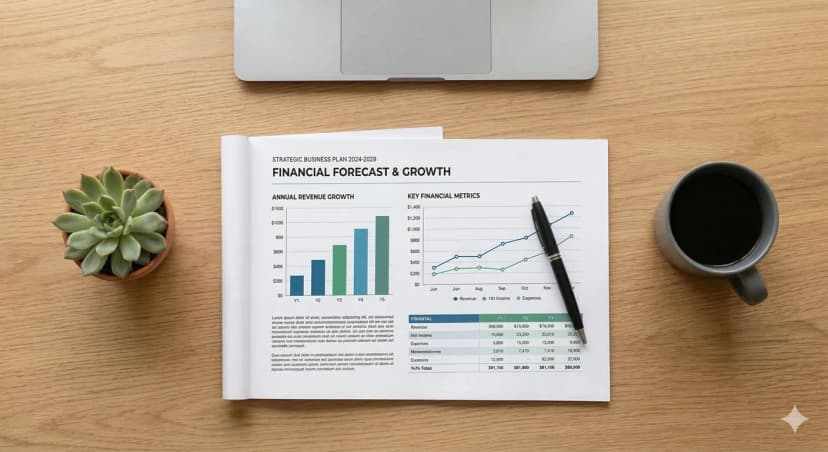
The SBA approved over $31 billion in 7(a) loans in fiscal year 2024, across more than 70,000 loans. Getting a piece of that starts with one document: your business plan.
SBA loans are government backed, which makes lenders more willing to approve them but far more thorough in reviewing them. A business plan that might pass at a conventional bank won't cut it here.
This guide breaks down what an SBA business plan needs to include, where the popular SCORE template falls short, and the fastest way to put one together. If you want the fastest path, our SBA business plan generator builds a plan in 60 seconds with the sections SBA lenders expect. For the general business plan structure, see our complete guide.
SBA Loans: A Quick Overview
Three main SBA loan programs exist. The business plan requirements are similar across all of them, but the stakes and amounts differ.
SBA 7(a) loans are the most common. Up to $5 million for working capital, equipment, real estate, or debt refinancing. This is what most small business owners apply for.
SBA 504 loans are specifically for major fixed assets like commercial real estate or heavy equipment. Up to $5 million (up to $5.5 million for manufacturers) with below market fixed interest rates.
SBA Microloans cover up to $50,000 for startups and small businesses that need smaller amounts. The application is simpler, but you still need a plan.
All three programs require a business plan. SBA lenders can't cut corners on their review.
What the SBA Requires in Your Business Plan
The SBA doesn't publish a single rigid template. But every approved SBA lender follows the same evaluation criteria, and your plan needs to address all of it.
Executive Summary
One page. What you do, how long you've been at it, how much you're requesting, and how you'll pay it back. Our executive summary guide covers exactly what to include. SBA reviewers read dozens of these per week. Get to the point.
Business Description and Legal Structure
Your entity type (LLC, S Corp, C Corp), state of incorporation, ownership breakdown with percentages, and EIN. If there are multiple owners, list every person with 20% or more equity. The SBA requires personal financial statements and background checks for each of them.
Products or Services
What you sell, how you deliver it, and what makes your offering different. If you have contracts, purchase orders, or letters of intent, reference them here. SBA lenders love evidence of existing demand.
Market Analysis
Your target market backed by real numbers. Industry size from a credible source (IBISWorld, Census Bureau, trade associations), your specific customer segment, and 3-5 competitors with an honest assessment of where you stand. The SBA wants to see that you understand the market well enough to survive in it.
Marketing and Sales Strategy
How customers will find you and how you'll close them. SBA reviewers look for a strategy that matches your financial projections. If you're projecting $800,000 in Year 1 revenue but your marketing plan is "word of mouth," that's a problem.
Management Team
Who's running the business and why they're qualified. SBA lenders weigh management experience heavily, especially for startups without a financial track record. Industry experience, relevant education, and prior business ownership all matter here.
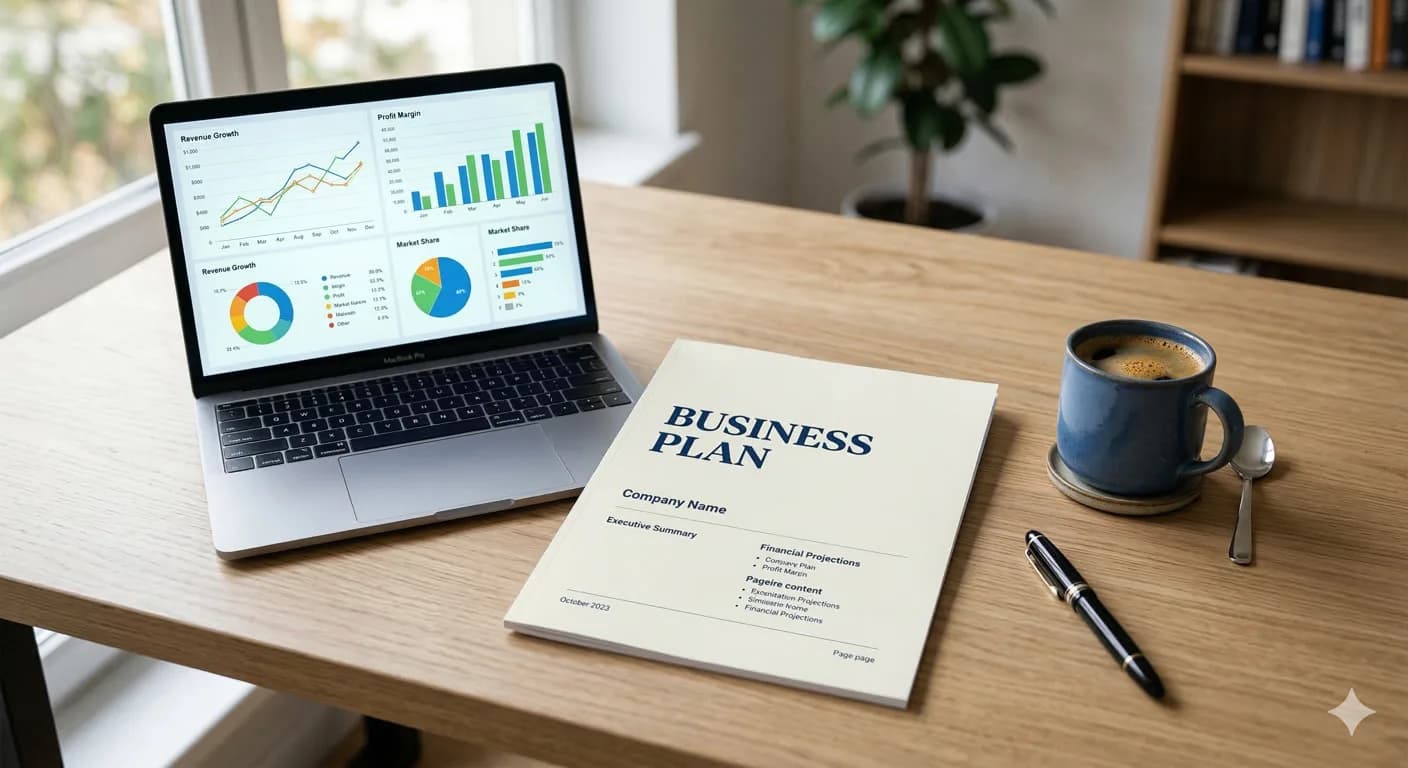
Financial Projections
The section that makes or breaks your application. You need:
- Profit and loss statement:monthly for Year 1, annually for Years 2-5
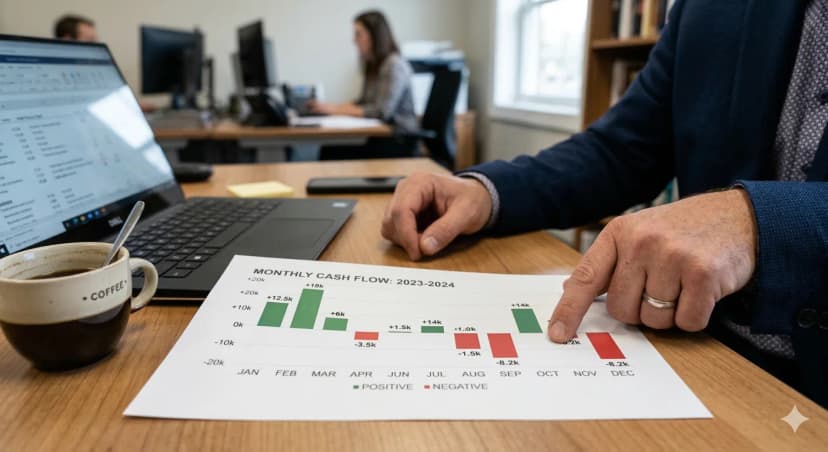
- Cash flow projections:showing you can cover loan payments every month, not just on average
- Balance sheet:current and projected
- Breakeven analysis:when revenue covers all costs including debt service
The SBA looks for a debt service coverage ratio (DSCR) of at least 1.15 to 1.25. That means for every dollar of loan payment, your business generates $1.15 to $1.25 in net operating income.
Our pro forma financial statements guide explains how to build these and how the three core statements connect. If building them from scratch sounds painful, our financial projections tool generates all four statements from your business inputs.
Use of Funds
A line item breakdown of exactly how the loan money will be spent. "Equipment: $80,000. Inventory: $40,000. Working capital: $30,000." The SBA doesn't approve vague funding requests.
Collateral
What assets secure the loan. The SBA requires lenders to collateralize loans to the maximum extent possible. Real estate, equipment, inventory, and accounts receivable all count. For 7(a) loans over $500,000, real estate collateral is typically required.
The SCORE Business Plan Template: What It Gets Right and Wrong
SCORE (the SBA's mentoring partner) offers the most widely used free business plan template. It's been downloaded millions of times, and for good reason: it covers every section lenders expect.
What it gets right: The structure is solid. It walks you through each section with prompts and examples. If you've never written a business plan before, it gives you a clear starting point.
Where it falls short: It's a blank template. You still need to write every word, research every number, and build your financial projections from scratch. Most people download the SCORE business plan template, open it, realize the scope of work involved, and stall. The template tells you what to write but doesn't help you actually write it.
The other limitation: SCORE templates are generic. They don't tailor the market analysis, competitive landscape, or financial assumptions to your specific industry or business model. An SBA lender reviewing a construction company plan expects different financial benchmarks than one reviewing a restaurant plan.
What Gets SBA Applications Denied
The SBA publishes approval criteria, but the reasons for denial are more instructive:
Weak or missing financials. The most common reason. If your projections don't show you can cover loan payments with margin to spare, it's a no. More detail on building loan ready financials in our bank loan business plan guide.
Insufficient owner equity. The SBA expects owners to have skin in the game. If you're asking for 100% financing with zero personal investment, expect pushback.
Bad personal credit. Most SBA lenders look for a personal credit score of 680+. Below that, approval is still possible but requires a stronger plan and more collateral.
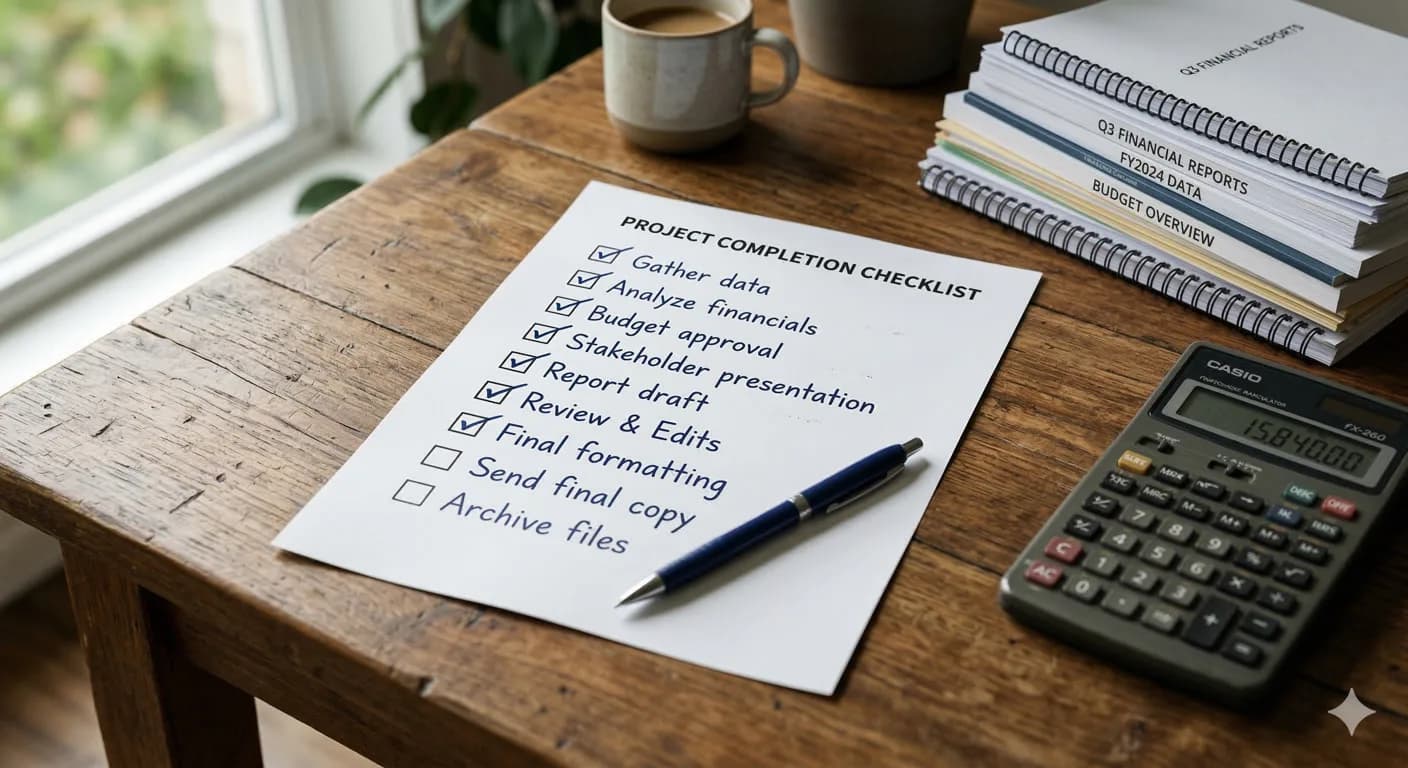
Incomplete applications. Missing tax returns, unsigned forms, or a plan that skips required sections. SBA lenders work through a checklist. Every gap creates a delay or denial.
Documents You'll Need Beyond the Business Plan
Your plan is the centerpiece, but SBA lenders also require:
- Personal financial statements (SBA Form 413) for all owners with 20%+ equity
- Three years of personal and business tax returns
- Year to date profit and loss statement
- Business debt schedule listing all current obligations
- Business licenses, leases, and articles of incorporation
- Resumes for all principal owners
Having these ready when you submit your plan speeds up the process significantly.
Related Guides
-
Business Plan Examples: 15+ Real Plans by Industry — The complete guide for this topic
-
Business Proposal Template: Free Examples & How to Write One — The complete guide for this topic
-
Marketing Plan Template: Free Download with Examples — The complete guide for this topic
-
Income Statement Template: Free Excel Download with Examples — The complete guide for this topic
-
Business Budget Template: Free Excel Download for Startups — The complete guide for this topic
The Fastest Way to Build an SBA Ready Plan
The SCORE template gives you structure. Writing everything yourself gives you control. But both take weeks.
PlanArmory generates a complete SBA ready business plan in about 60 seconds. Answer a few questions about your business, and you get every section SBA lenders expect: executive summary, market analysis with real industry data, competitive positioning, 5-year financial projections, and a detailed funding request. All formatted as a professional PDF.
Start with a generated plan, review it section by section, add your personal details and supporting documents, and submit it to your lender.