Restaurant Startup Checklist: Everything You Need Before Opening
Skip this checklist and you'll spend launch day fixing things instead of celebrating.
Opening a restaurant isn't just about having great recipes and a dream location. You need permits, equipment, insurance, and about 50 other moving pieces that can derail your opening if you forget them. The median restaurant startup cost hits $375,500, and first-time operators typically underestimate costs by 20-35%. Don't be one of them.
Here's everything you need to handle before you serve your first customer.
Get Your Legal Foundation Right
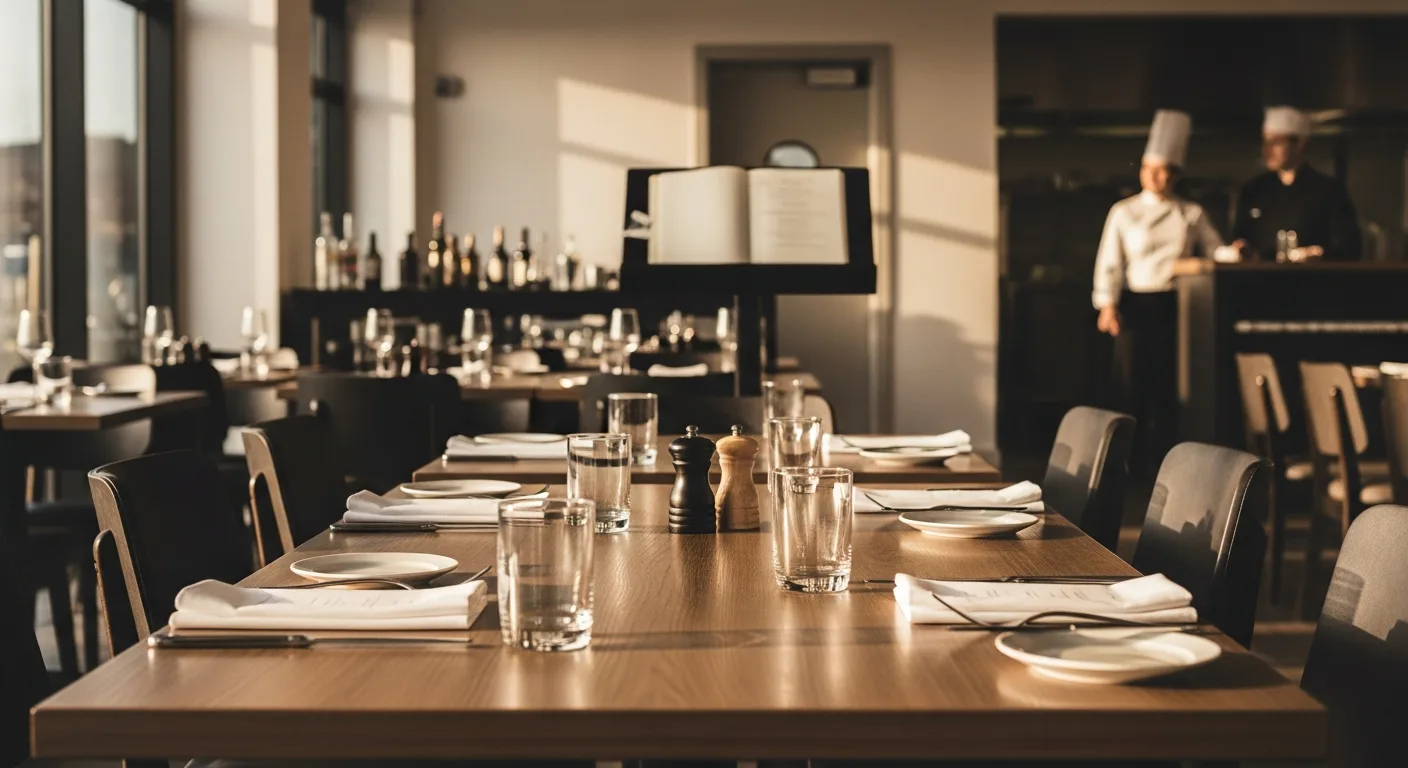
You can't operate without the proper business structure and permits. Start here because approval processes take 2-3 months, and filing fees often exceed $1,000.
Business Registration Register your LLC or corporation first. You'll need this paperwork for everything else. Choose your business name carefully because changing it later means redoing permits and licenses.
Essential Permits and Licenses Total permits and licenses typically cost $10,000-$50,000. You'll need:
- Business license ($50-$500)
- Food service license ($100-$1,000, determined at inspection)
- Health department permits ($50-$1,000)
- Liquor license if serving alcohol ($300-$14,000+ depending on state)
- Fire department permit
- Signage permit
- Music licensing (ASCAP, BMI, SESAC)
Colorado just increased retail food establishment license fees by 25% in 2026, so check your local rates. Don't assume last year's numbers still apply.
Federal Requirements Get your EIN from the IRS. Register for state and local taxes. File for workers' compensation insurance before hiring anyone.
Lock Down Your Location and Lease Terms
Your lease terms can make or break your restaurant. Commercial lease costs run $20-$60 per square foot annually. A 2,500 square foot space costs $4,000-$12,500 monthly, plus deposits of 2-3 months rent upfront.
Lease Negotiation Essentials Don't sign anything without these protections:
- Personal guarantee limitations
- Assignment and subletting rights
- Build-out allowances from the landlord
- Percentage rent caps if you're paying revenue-based rent
- Co-tenancy clauses (especially in shopping centers)
Second-generation restaurant spaces save $30,000-$80,000 in buildout costs because kitchen infrastructure already exists. Look for these first.
Plan Your Construction and Equipment
Buildout costs represent 25-35% of your total startup costs. Construction runs $100-$800 per square foot depending on your concept and existing conditions.
Budget Realistic Construction Costs Complete renovations for a 2,150 square foot space cost $430,000-$1,075,000. Light renovations run $80,000-$120,000. Kitchen-only overhauls range from $12,000-$180,000.
Budget format quick-service restaurants in second-generation spaces can get by with $80,000-$150,000 total, but full-service concepts need $275,000-$425,000.
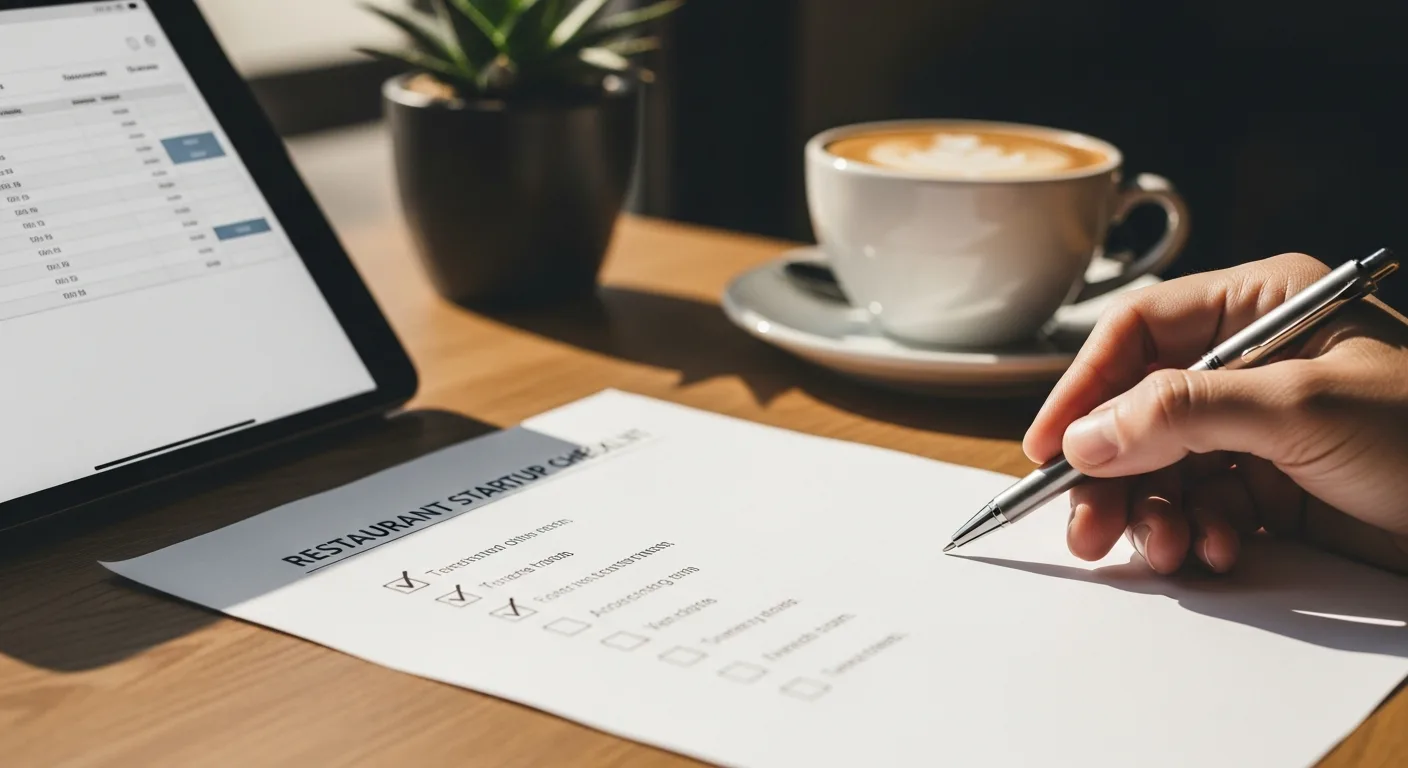
Essential Kitchen Equipment Kitchen equipment costs 15-25% of your total startup budget, typically $75,000-$250,000+ depending on menu complexity.
Must-have equipment includes:
- Commercial ranges ($3,000-$10,000)
- Refrigeration systems ($10,000-$30,000)
- Ventilation systems ($5,000-$20,000)
- Food prep equipment
- POS system
- Dishwashing systems
Used equipment saves 40-60% on costs. Just make sure it meets health department standards and comes with warranties.
Secure Your Insurance and Financial Protection
You're liable for everything that happens in your restaurant. Get proper coverage before soft opening.
Required Insurance Types
- General liability ($500-$3,000 annually)
- Property insurance for equipment and inventory
- Workers' compensation (required in most states)
- Liquor liability if serving alcohol
- Business interruption insurance
Financial Planning Keep 3-6 months of operating expenses as working capital reserves. Budget a 15-20% contingency buffer on top of your total startup costs. Things go wrong, and you need cash to handle them without closing.
Build Your Team and Training Program
Pre-opening labor costs run $10,000-$50,000 for hiring and training. Don't rush this process.
Hiring Timeline Start recruiting 6-8 weeks before opening. Hire your kitchen manager and head server first. They'll help train everyone else and establish your standards.
Training Requirements All food handlers need certification. Managers need additional food safety training. Create standard operating procedures for everything from food prep to customer complaints. Document everything so you can maintain consistency as you grow.
Stock Inventory and Plan Your Menu
Initial inventory costs $5,000-$25,000 depending on menu complexity and alcohol service. A 50-100 seat restaurant typically needs $10,000-$20,000 in starting inventory. Premium concepts with extensive wine lists can hit $25,000-$40,000.
Menu Development Strategy Test your menu extensively before opening. Calculate food costs for every dish. Your food and labor costs combined shouldn't exceed 60-65% of revenue (the Prime Cost Rule).
Price strategically. Restaurant profit margins average just 3-9%, so every percentage point matters.

Marketing and Grand Opening Preparation
Budget $5,000-$20,000 for startup marketing. You need buzz before you open, not after.
Pre-Opening Marketing
- Social media presence (start posting 2-3 months before opening)
- Local press outreach
- Soft opening for friends, family, and VIP customers
- Grand opening event planning
- Online review platform setup (Google, Yelp, OpenTable)
Soft Opening Strategy Run a soft opening week with limited hours and a simplified menu. Work out operational kinks before your official launch. Offer free or discounted meals in exchange for honest feedback.
Final Systems Check
Your restaurant opening timeline spans 6-12 months total. The last month focuses on training and systems testing.
Week Before Opening
- Staff training completion
- Health department final inspection
- POS system testing with real transactions
- Supplier delivery confirmations
- Emergency contact lists distributed
- Cash register float prepared
Opening Day Preparation Double-check everything. Have backup plans for your backup plans. Your first impression determines whether customers return.
Related Guides
Ready to Open Your Restaurant?
You've got the operational checklist covered. Now you need a business plan that shows lenders and investors you understand the numbers. With 2026 projected industry sales hitting $1.55 trillion, there's room for concepts that get the fundamentals right.
PlanArmory's business plan generator helps restaurant owners create investor-ready plans in under an hour. Answer 7 strategic questions about your concept, and get a complete plan with market analysis and financial projections tailored to the restaurant industry.