How to Start a Gym: Business Plan, Equipment & Startup Costs
You're ready to turn your fitness passion into profit, but starting a gym isn't just about buying equipment and opening doors. The fitness industry is worth $47 billion in the US alone, but success requires careful planning, significant capital, and understanding what separates thriving gyms from those that close within two years.
Skip the planning phase and you'll spend your first year fixing problems instead of building membership. Here's what actually matters when starting a gym business.
Create Your Gym Business Plan First
You can't skip the business plan. Banks won't lend without one, investors won't look at you, and you'll make expensive mistakes without clear direction.
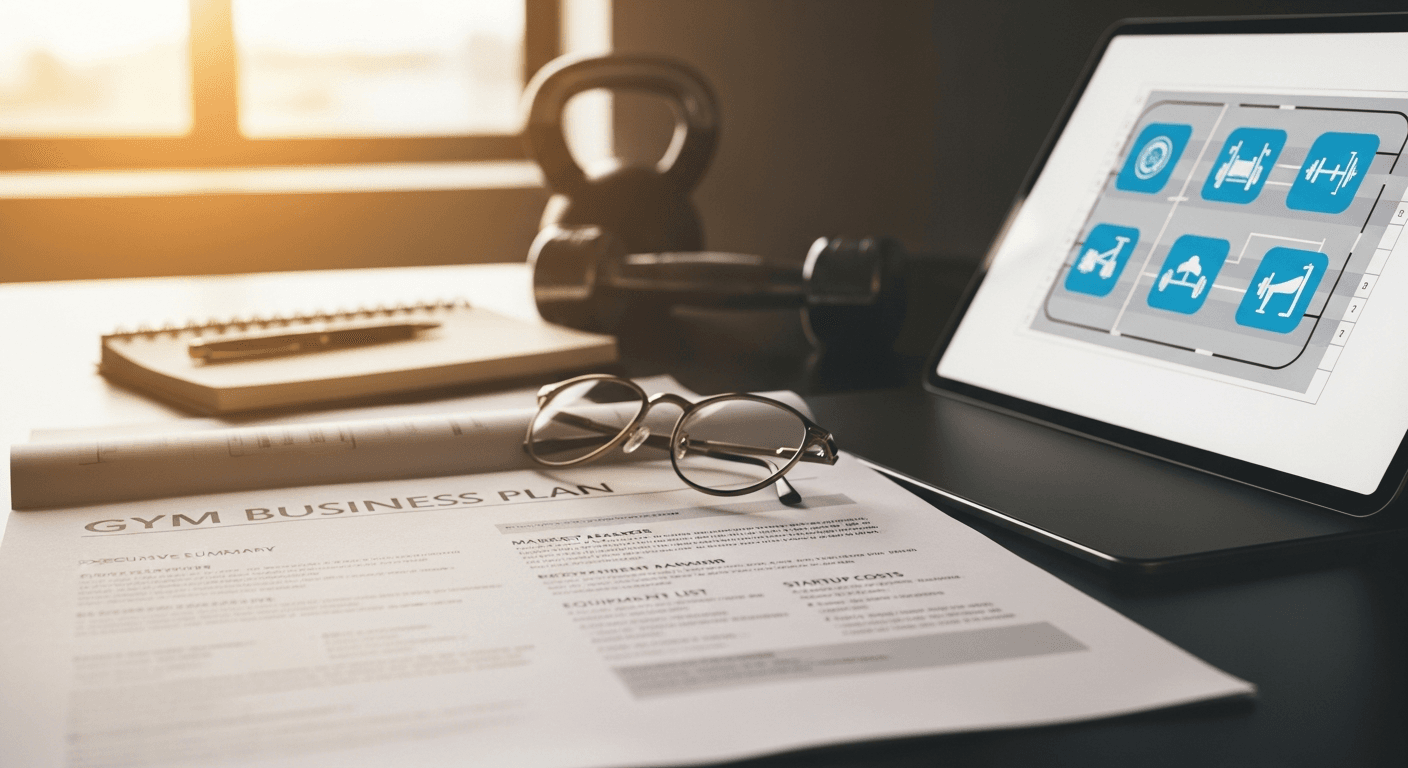
Your gym business plan needs these sections:
- Market analysis showing local competition and demand
- Target customer profiles (college students, families, seniors, athletes)
- Revenue projections based on membership pricing and capacity
- Operating expenses including rent, utilities, and staffing
- Marketing strategy for member acquisition and retention
- Equipment list with costs and financing options
Don't guess at the numbers. Research what other gyms charge in your area, calculate your break-even point, and project realistic growth. The median gym revenue hit $395,000 in 2023 with average profit margins around 22.7%, but your results depend heavily on location and business model.
Traditional gyms typically see 10-15% profit margins while boutique fitness studios can achieve 20-40% margins with the right positioning.

Choose Your Gym Type and Business Model
You've got several paths here, each with different startup costs and profit potential:
Traditional Commercial Gym: Large facility (3,000-5,000 sq ft) with cardio machines, weight equipment, and group fitness classes. Highest startup costs but broadest market appeal.
Boutique Fitness Studio: Smaller space (2,000-2,500 sq ft) focused on specific workouts like CrossFit, yoga, or HIIT training. Lower startup costs, higher profit margins, more personal community feel.
Personal Training Studio: Minimal equipment, emphasis on one-on-one or small group training. Lowest startup costs but limited scaling potential.
24/7 Budget Gym: Basic equipment, minimal staffing, lower membership fees. Competes on price and convenience rather than services.
Each model serves different customers and requires different investments. A basic personal training studio might cost $10,000-$50,000 to start, while a fully equipped commercial gym can require $250,000 or more just for equipment.
Calculate Your Startup Costs Realistically
Most people underestimate gym startup costs by 30-50%. Here's what you're actually looking at:
Equipment Costs: $10,000 for minimal setups to $500,000+ for commercial gyms. Plan $30,000-$100,000 for a mid-sized facility. Cardio equipment alone can run $120,000, with strength equipment adding another $100,000.
Facility Costs: Lease deposits, build-out, and professional gym flooring ($8-$15 per square foot plus installation). Budget $250,000 for leasehold improvements in a commercial space.
Legal and Professional Fees: Business registration, permits, zoning approval, and attorney fees average $9,000 to get everything squared away.
Insurance: General liability, property, and workers' compensation insurance starts around $12,000. Ongoing liability insurance runs $500-$2,500 annually.
Initial Marketing: Website development, branding, and first-year marketing campaigns typically cost $5,000-$15,000.
Industry experts recommend adding a 15-20% contingency fund on top of your estimates. So if you budget $500,000, plan for $600,000 to handle unexpected costs.
Secure Financing and Permits
Banks love gym businesses with solid plans because fitness has steady demand. You'll need:
SBA Loans: Government-backed loans with favorable terms for qualified businesses. Requires detailed business plan and personal guarantee.
Equipment Financing: Many suppliers offer financing for gym equipment purchases. Interest rates vary but you're spreading major costs over time.
Investor Capital: Angel investors or partners can provide startup capital in exchange for equity. Good option if you lack collateral for traditional loans.
Business Registration: LLC or corporation filing ($100-$1,000 depending on state)
Local Permits: Zoning approval, building permits, and health department clearance ($500-$5,000)
Music Licensing: ASCAP and BMI licenses for playing music ($300-$600 annually)
Start the permit process early. Zoning issues or building code problems can delay your opening by months.
Design Your Space and Buy Equipment
Layout matters more than fancy equipment. You need clear traffic flow, proper ventilation, and zones for different activities.
Cardio Area: Treadmills, ellipticals, bikes near windows if possible. Good lighting and TV placement keep people engaged.
Strength Training: Free weights, machines, and functional training space. Allow room for movement and safety spacing between equipment.
Group Fitness: Open floor with mirrors, sound system, and storage for props. Consider whether you need a separate room or can use shared space.
Locker Rooms: Code-compliant facilities with lockers, showers, and changing areas. Don't cheap out here - members notice.
Reception/Retail: Check-in area, small retail space for supplements or gear, and office space for consultations.
Buy quality equipment but don't overspend on features most members won't use. Commercial-grade is worth the investment for durability and warranty coverage.
Staff Your Gym Properly
The average US gym has 6.6 employees, but your needs depend on operating hours and services offered.
Essential Staff:
- General manager or owner-operator
- Front desk staff for check-ins and basic member service
- Certified personal trainers (if offering training services)
- Cleaning and maintenance personnel
Staffing Costs: Budget $3,000-$10,000 monthly for staff salaries in a small to mid-sized gym. Pre-launch payroll and training expenses require at least $10,000.
Hire certified trainers with good communication skills. Bad trainers drive away members faster than broken equipment. Budget $1,000-$3,000 annually for ongoing staff training and certifications.
Market Your Gym Effectively
You're competing against established gyms, home workouts, and members' own motivation. Your marketing needs to address all three.
Pre-Launch Marketing:
- Social media presence showing behind-the-scenes setup
- Founding member presales at discounted rates
- Partnerships with local businesses or sports teams
- Grand opening event with free classes or tours
Ongoing Marketing:
- Website with class schedules and membership options ($2,000-$10,000 setup, $500-$2,000 monthly maintenance)
- Online advertising targeting local fitness keywords ($1,000-$5,000 monthly)
- Referral programs rewarding members for bringing friends
- Community events and challenges to build engagement
Track your member acquisition costs and lifetime value. If it costs $100 to acquire a member who stays 18 months at $50/month, that's profitable. If acquisition costs $200 and they stay 6 months, you're losing money.

Plan Your Operating Expenses
Monthly costs add up quickly once you're open:
Fixed Costs:
- Lease payments ($10,000-$50,000 annually depending on location and size)
- Insurance premiums
- Equipment leases or loan payments
- Software subscriptions for member management
Variable Costs:
- Utilities ($1,000-$3,000 monthly)
- Staff wages and benefits
- Marketing and advertising
- Equipment maintenance and repairs
- Miscellaneous expenses (budget at least $1,000 monthly)
Most gyms project breakeven within 6 months of launch, but having 12 months of operating expenses in reserve keeps you stable during slow periods.
Related Guides
Ready to Write Your Business Plan?
Starting a gym requires serious planning and capital, but the fitness industry's growth creates opportunities for well-positioned businesses. Your business plan determines whether you'll join the successful 22.7% EBITDA margin gyms or struggle with cash flow from day one.
PlanArmory's business plan generator can help you create investor-ready financial projections and market analysis in minutes instead of weeks. You answer questions about your gym concept, target market, and financial goals - the AI handles the detailed planning and formatting.