How to Start a Cafe: Business Plan, Costs & Step-by-Step Guide
You're standing in line at your local coffee shop, watching the constant stream of customers, and thinking: "I could do this better." Starting a cafe isn't just about serving great coffee though. It's about understanding startup costs that can hit $400,000, navigating permits that vary wildly by location, and building something that survives the first brutal year when most food businesses fail.
Skip the planning phase and you'll spend your opening week fixing permit issues instead of serving customers. Here's exactly what you need to know to launch a successful cafe.
Research Your Market and Location First
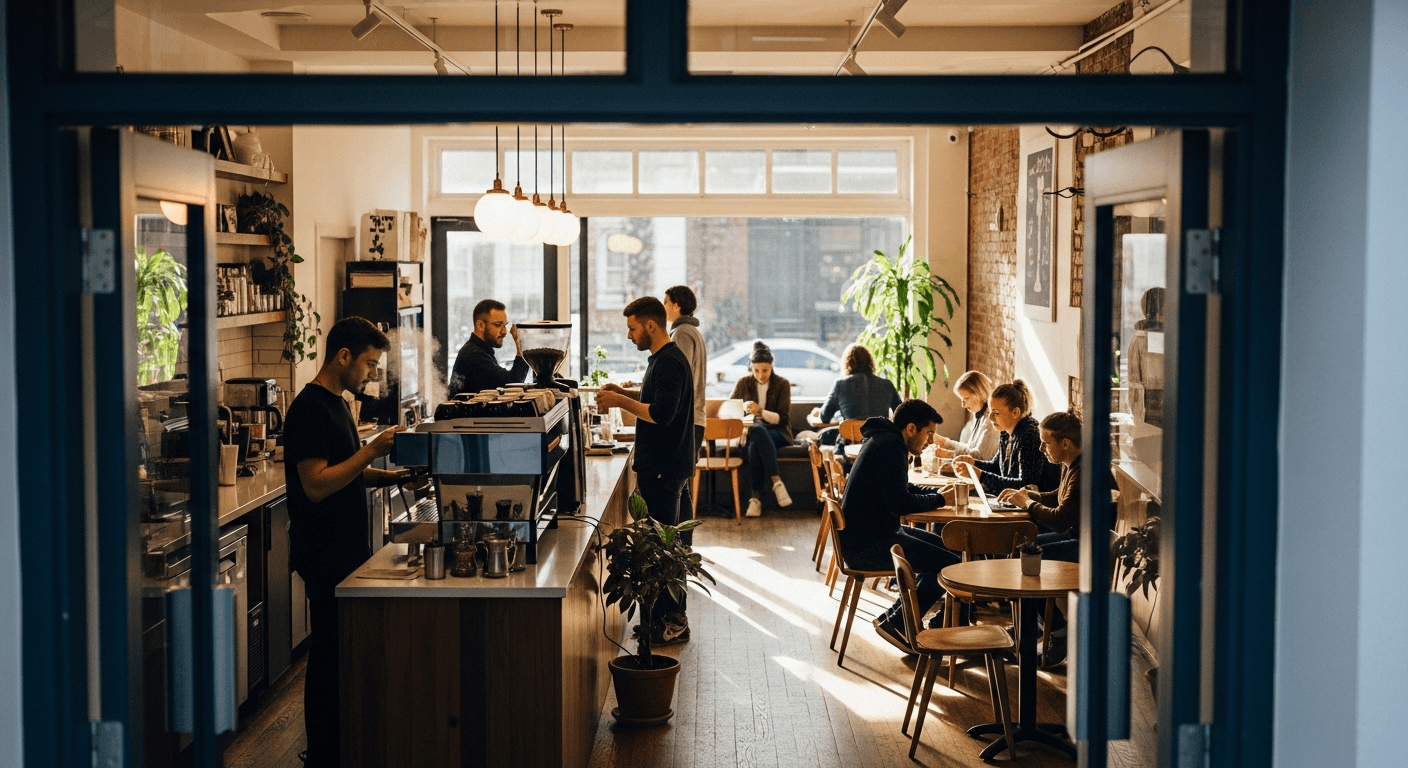
You can't pick any corner and hope for the best. Location determines everything. Scout potential spots during rush hours, count foot traffic, and identify your competition within two blocks.
Drive around potential neighborhoods at different times of day. Count how many people walk by between 7-9 AM and 2-4 PM. Check if there's already a Starbucks or popular local cafe within two blocks. Look for office buildings, colleges, or residential areas with young professionals.
Popular locations can run $2,500 to $7,000 per month. That's $30,000 to $100,000 annually in lease payments alone. Factor this into your location decision early because rent will be one of your biggest ongoing expenses.
Research local permits and regulations too. Some cities make it easy to open food businesses. Others require months of paperwork and inspections. Call your city's small business office and ask specifically about cafe permits before you sign any lease.
Calculate Your True Startup Costs
Most people underestimate cafe startup costs by at least 50%. The U. S. Coffee shop industry represents approximately $74.3 billion in revenue, but individual shops need serious capital to compete.
Equipment: Professional espresso machines range from $8,000 to $25,000. Add grinders, brewing equipment, refrigeration, and POS systems. Budget $20,000 to $50,000 total for equipment.
Renovation and build-out: This hits most new owners hard. Creating an inviting atmosphere requires $50,000 to $200,000 for renovation work, depending on your space's condition.
Initial inventory and supplies: Coffee beans, milk, pastries, cups, napkins, cleaning supplies. Plan for $5,000 to $10,000 to stock your opening month.
Working capital: New coffee shops typically require 3-6 months of operating expenses in reserve. You need cash to cover rent, payroll, and utilities while building your customer base.
Total investment typically ranges from $175,000 to $400,000. Don't try to cut corners on equipment or atmosphere. Customers notice cheap coffee machines and uncomfortable seating.

Handle Permits and Licensing
Permits take weeks to process, so start early. Budget $5,000 to $10,000 for licenses and health department requirements.
You'll need these permits:
- Business license ($50 to $500 depending on location)
- Food service permit ($100 to $1,000 annually)
- Liquor license (if serving alcohol, varies widely)
- Signage permits
- Music licensing (if playing copyrighted music)
California keeps things simple with test fees capped at $15, but other states charge much more. Call your local health department and ask for their cafe startup checklist.
Insurance runs about $3,000 annually but protects you from liability issues that could shut down your business overnight.
Create Your Cafe Business Plan
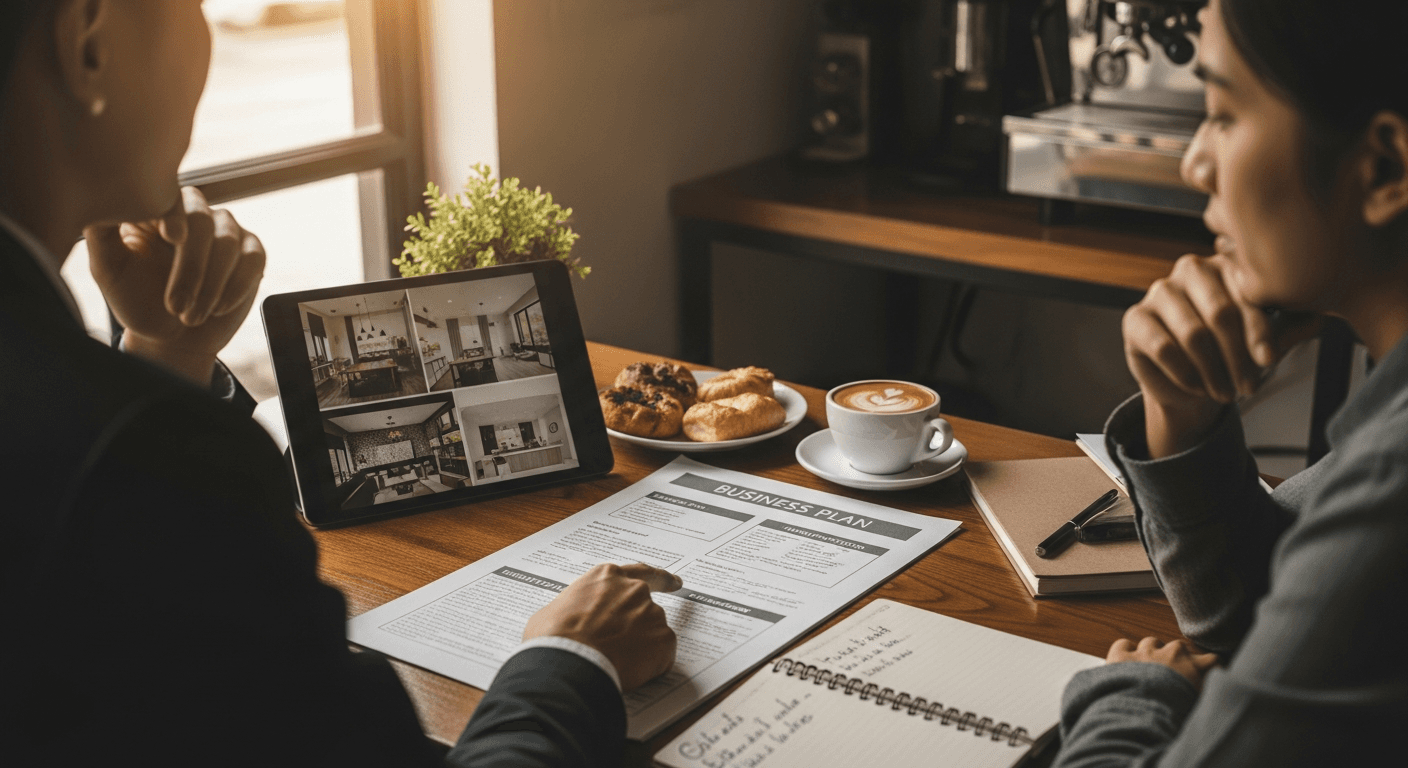
You need a solid business plan whether you're seeking investors or using personal savings. Banks won't approve loans without seeing detailed financial projections and market analysis.
Cover these areas:
Market analysis: Who are your customers? Office workers grabbing morning coffee? Students studying for hours? Families meeting for weekend brunch? Be specific about your target market and how you'll reach them.
Menu and pricing strategy: Research what local competitors charge. Most successful cafes aim for 60-70% gross margins on beverages.
Financial projections: Include startup costs, monthly operating expenses, and realistic revenue forecasts. New cafes often take 6-12 months to reach profitability.
Staffing plan: The average hourly rate for baristas runs around $16, but factor in payroll taxes and benefits that add 25-40% to base wages. Your effective hourly cost will be $15-$24 per employee.
Marketing strategy: How will customers discover your cafe? Budget $5,000 to $15,000 for your grand opening marketing push.
A professional business plan saves time when talking to lenders and helps you spot potential problems before they become expensive mistakes.
Plan Your Daily Operations
Running a cafe means juggling inventory, staff schedules, equipment maintenance, and customer service simultaneously.
Staffing: Small cafes typically need 2-3 people during busy periods and 1 person during slow times. You'll need approximately $10,000 monthly for two staff members when including wages, taxes, and benefits.
Supply chain: Build relationships with reliable coffee roasters, food distributors, and paper goods suppliers. Local roasters often provide better service than large national companies.
Equipment maintenance: Espresso machines break down at the worst possible times. Establish service relationships before you need them and budget for regular maintenance.
Utilities: Restaurant utilities cost an average of $3.75 per square foot annually. For most cafes, expect monthly utility bills around $2,000.
Many successful cafes open early (6 AM) to catch the morning rush and stay open until early evening. Study your local market to determine optimal hours.
Build Your Customer Base
Great coffee isn't enough. You need consistent marketing to survive long-term.
Focus on local marketing first. Partner with nearby businesses for cross-promotion. Offer catering to local offices. Sponsor community events. Word-of-mouth marketing works better for cafes than expensive advertising campaigns.
Create a social media presence but don't expect it to replace foot traffic. Post photos of daily specials and customer favorites. Engage with local hashtags and location tags.
Consider loyalty programs to encourage repeat visits. Many successful cafes use simple punch cards or mobile apps that reward frequent customers with free drinks.
Track what works by asking new customers how they heard about you. This helps you focus marketing spending on tactics that actually bring in business.
Common Mistakes to Avoid
Don't underestimate how long permits take. Start the licensing process before signing your lease to avoid paying rent on a space you can't legally operate.
Don't choose location based solely on rent prices. A cheaper spot with no foot traffic will cost you more in the long run than a premium location with built-in customers.
Don't skimp on staff training. Poor customer service kills cafes faster than bad coffee. Invest time teaching your team about coffee preparation, customer interaction, and handling busy periods.
Don't ignore your numbers. Track daily sales, popular items, and peak hours from day one. This data helps you make smart decisions about staffing, inventory, and menu changes.
Related Guides
Get Started With Professional Planning
Opening a successful cafe requires detailed financial planning and market research that most entrepreneurs struggle to complete on their own. Creating professional financial projections and competitive analysis takes weeks when done manually.
PlanArmory's business plan generator helps cafe entrepreneurs create investor-ready business plans in minutes instead of months. The platform includes industry-specific financial templates and market analysis tools designed specifically for food service businesses.